



Cold Wallet vs Hot Wallet: Understanding the Differences for Cryptocurrency Security
With over $4.1 billion lost to DeFi hacks in 2024, securing your digital assets has never been more critical. As the cryptocurrency market continues to grow, so does the importance of understanding the tools available for storing and securing digital currencies. In this comprehensive guide, we will dive into the essential differences between cold wallets and hot wallets, analyze their strengths and weaknesses, and provide valuable insights into which option might be best for your specific needs.
What Are Cold Wallets?
Cold wallets, also known as cold storage, refer to any cryptocurrency wallet that is not connected to the internet. This lack of internet connectivity makes cold wallets highly secure against online hacks and cyber threats.
Types of Cold Wallets
- Hardware Wallets: Devices like the Ledger Nano X and Trezor are popular hardware wallets that store your private keys offline.
- Paper Wallets: A printed document that contains your public and private keys. It’s essential to keep this paper secure.
Pros and Cons of Cold Wallets
- Pros:
- Enhanced security against hacking.
- Ideal for long-term storage of cryptocurrencies.
- Not susceptible to malware attacks.
- Cons:
- Less convenient for regular transactions.
- Risk of physical damage or loss.
What Are Hot Wallets?
Hot wallets, in contrast, are wallets that are connected to the internet. They allow for quick and easy transactions, making them suitable for people who trade frequently.
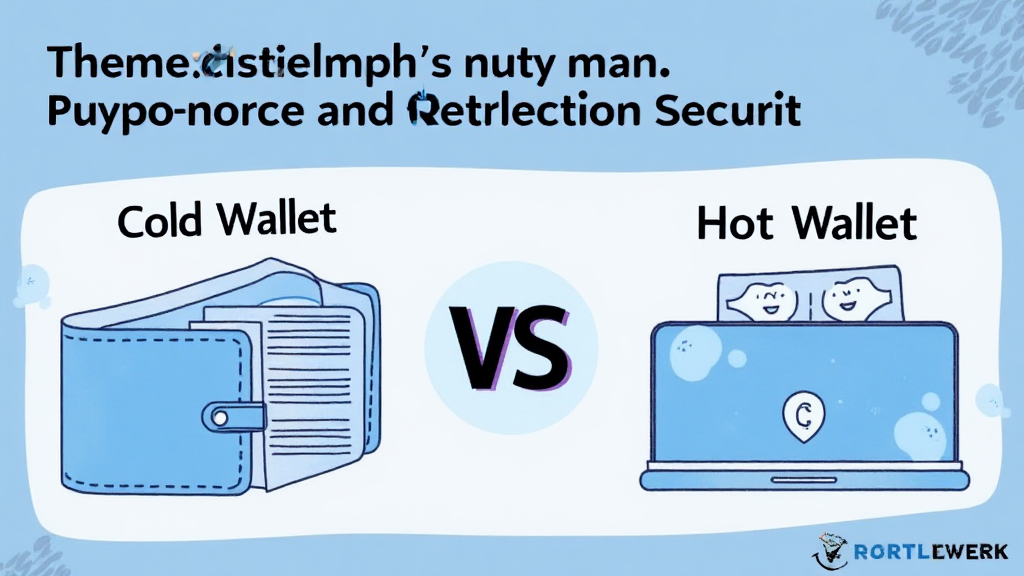
Types of Hot Wallets
- Web Wallets: Accessible via web browsers, these wallets are convenient but often less secure.
- Mobile Wallets: Apps on smartphones that make it easy to transact.
Pros and Cons of Hot Wallets
- Pros:
- Highly accessible for daily transactions.
- Easy to set up and use.
- Great for managing multiple cryptocurrencies.
- Cons:
- More vulnerable to hacks and cyber threats.
- Not suitable for long-term storage of large amounts of cryptocurrency.
Cold Wallet vs Hot Wallet: Key Differences
Here’s how cold wallets and hot wallets stack up against each other in several critical areas:
| Feature | Cold Wallets | Hot Wallets |
|---|---|---|
| Security | High | Medium |
| Convenience | Low | High |
| Cost | Potentially higher (hardware costs) | Usually free or low cost |
| Best Use Case | Long-term storage, large amounts | Frequent trading and transactions |
According to a report from Chainalysis in 2025, the use of cold wallets in Vietnam is on the rise due to increasing awareness among users about security, especially after a surge in cyber threats. This indicates the trend of users transitioning to cold storage methods.
Which Wallet Should You Choose?
Choosing between a cold wallet and a hot wallet depends on your specific usage patterns and security needs. If you plan to hold a substantial amount of cryptocurrency for an extended period, a cold wallet is the best option.
Here’s the catch: if you make frequent transactions or trade regularly, a hot wallet might be more convenient, but you should never store large amounts of cryptocurrency in it for too long.
Best Practices for Wallet Security
- Always back up your wallets, regardless of whether they are cold or hot.
- Use two-factor authentication whenever possible.
- Keep your software up to date to protect against malware.
- Consider using a multi-signature wallet for enhanced security.
Conclusion
In conclusion, the debate between cold wallet vs hot wallet ultimately boils down to your personal needs and security concerns. Both types of wallets have their merits and can be effectively utilized depending on how you plan to use your cryptocurrencies.
As you navigate the world of digital asset storage, remember that security practices are continually evolving. Stay informed about new developments in blockchain technology and wallet security. Be sure to check resources like hibt.com for updates and advice on cryptocurrency storage.
For users in Vietnam, staying updated with the latest trends can help you choose the best wallet type for your needs as the market continues to expand.
For further reading, take a look at our article on Vietnam crypto tax guide and gain insights into managing your crypto assets effectively.
Remember, it’s important to continuously educate yourself about the tools available for cryptocurrency storage. Whether you choose a cold wallet or a hot wallet, understanding their functionalities will empower you to make informed decisions.
DenariusBitcoin is here to assist you in navigating the world of cryptocurrency with expert insights and up-to-date information on wallet security.
Author: Dr. John Smith, a blockchain security expert with numerous publications and a background in auditing well-known cryptocurrency projects.


