


Impermanent Loss Explained: Understanding the Risks and Rewards
With DeFi gaining traction in the digital asset space, understanding the intricacies of liquidity pools is more crucial than ever. A staggering $4.1 billion was lost to hacks in 2024 alone, highlighting the importance of security measures in blockchain technology. One critical concept investors must grapple with is impermanent loss.
What is Impermanent Loss?
Impermanent loss occurs when the value of tokens deposited in a liquidity pool diverges from what the value would have been had the tokens been held in a wallet. In essence, it is the opportunity cost of providing liquidity rather than holding onto your assets. The greater the price divergence of the tokens, the larger the impermanent loss.
How Does It Happen?
- Price Fluctuations: The price of the assets in the liquidity pool can vary significantly.
- Market Activity: High trading volume can exacerbate the loss.
- Liquidity Pool Dynamics: The mechanics of automated market makers (AMMs) play a crucial role.
For example, consider a liquidity pool containing ETH and a stablecoin like USDC. If ETH’s price rises significantly, liquidity providers will have less ETH than they would have if they had held it. This is where the concept of impermanent loss comes into play.
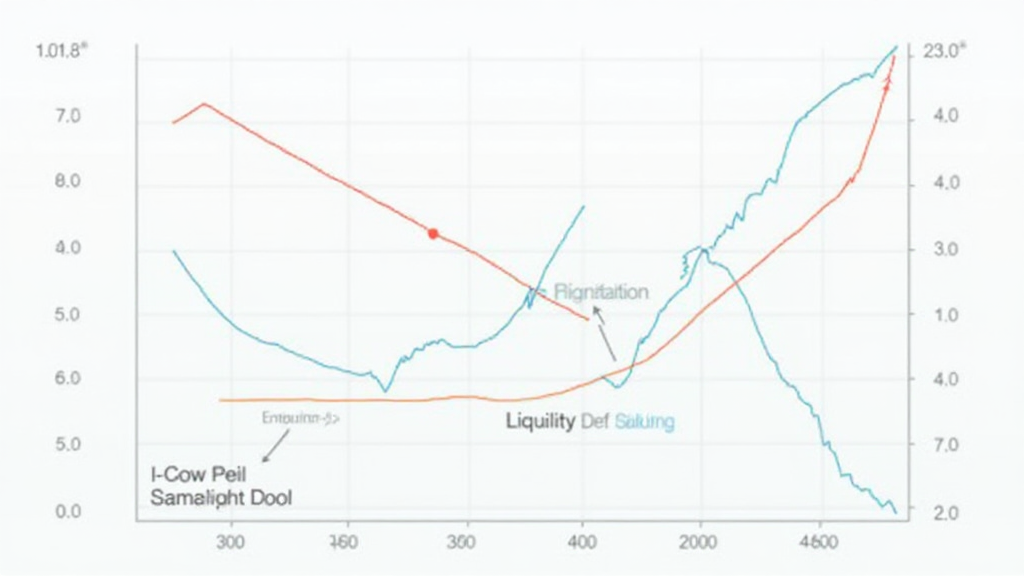
Impermanent Loss vs. Permanent Loss
It’s essential to distinguish between impermanent and permanent loss. Permanent loss occurs when assets lose their value. Impermanent loss is only realized when tokens are withdrawn from the liquidity pool. The unique aspect of impermanent loss is that it can recover if the token prices stabilize or come back to their initial price.
Real-World Example
In a recent study, it was found that a liquidity provider who deposited $10,000 into a liquidity pool faced an impermanent loss of $1,200 when ETH’s price soared by 50%. However, if the provider held ETH instead, their assets would have increased in value to $15,000. The loss is termed “impermanent” because the provider could regain their losses as long as ETH returns to its original price.
Understanding the Risks Involved
Investors should be aware of several risks associated with impermanent loss:
- Volatility: High volatility assets can lead to larger impermanent losses.
- Liquidity Migration: Liquidity can shift to other pools, adding to the risk.
- Market Manipulation: Traders could exploit price discrepancies resulting in losses.
Strategies to Mitigate Impermanent Loss
Investors can employ specific strategies to manage and reduce the risk of impermanent loss:
- Diversifying Assets: Providing liquidity with stablecoins can help reduce the risk.
- Utilizing Impermanent Loss Protection: Some DeFi platforms offer insurance against impermanent loss.
- Long-Term Holding: If you believe in the long-term potential of your assets, impermanent loss may not be as significant.
Vietnam’s Growing Crypto Sector
As the demand for decentralized finance grows, countries like Vietnam are seeing significant changes. According to studies, Vietnam’s user growth rate in cryptocurrency has seen a staggering 300% increase in the last two years, illustrating that more investors are stepping into the crypto space.
Local crypto enthusiasts face unique challenges, including the threat of impermanent loss. Adapting to these risks will require educational resources and platforms such as denariusbitcoin to help navigate the complexities of DeFi.
Addressing Impermanent Loss in Local Markets
For Vietnamese users, understanding terms such as “tiêu chuẩn an ninh blockchain”—the safety standards in blockchain—is critical. Keeping informed about local developments in the DeFi landscape can help mitigate risks associated with liquidity provision.
Conclusion
In conclusion, impermanent loss is a significant concept that DeFi investors must navigate. Understanding its mechanics can help protect profits and optimize strategies in liquidity provision. For those interested in entering DeFi, resources such as denariusbitcoin play a pivotal role in educating and guiding investors through these complex waters.
Remember, while impermanent loss might sound daunting, proper educational tools and strategies can significantly minimize its impact on your investment landscape. Be sure to stay updated and consult local experts for specific advice tailored to your needs.
Author: John K. Smith, a blockchain technology researcher with over 10 published papers on the interactions between DeFi and market volatility, has led audits for various high-profile projects.


